How a Single Light Shapes the Night Sky: A SeeStar S50 Comparison
Even local, low-level outdoor lighting makes a dramatic difference in what a telescope can capture from your own backyard.
I accidentally left my porch light on.
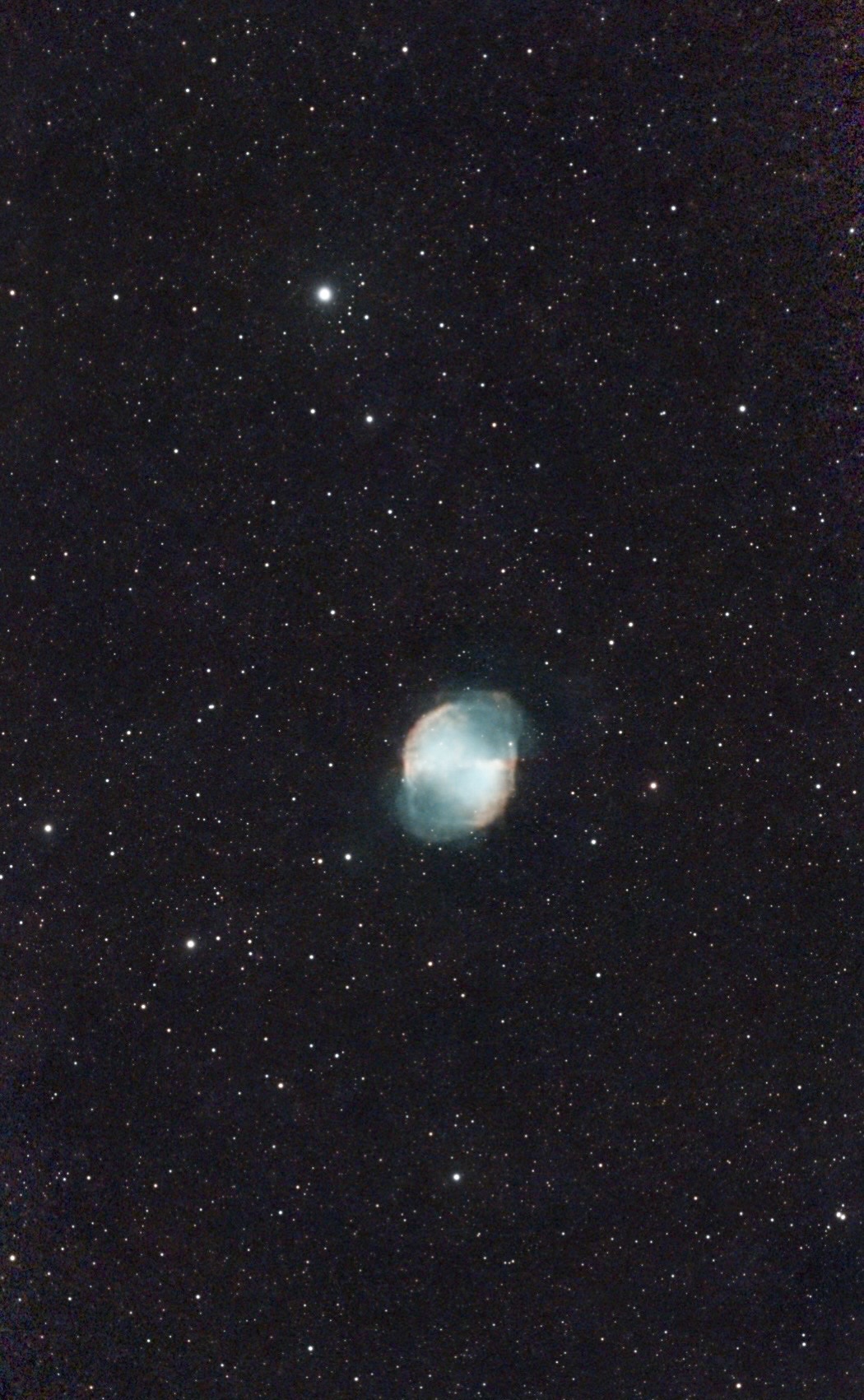
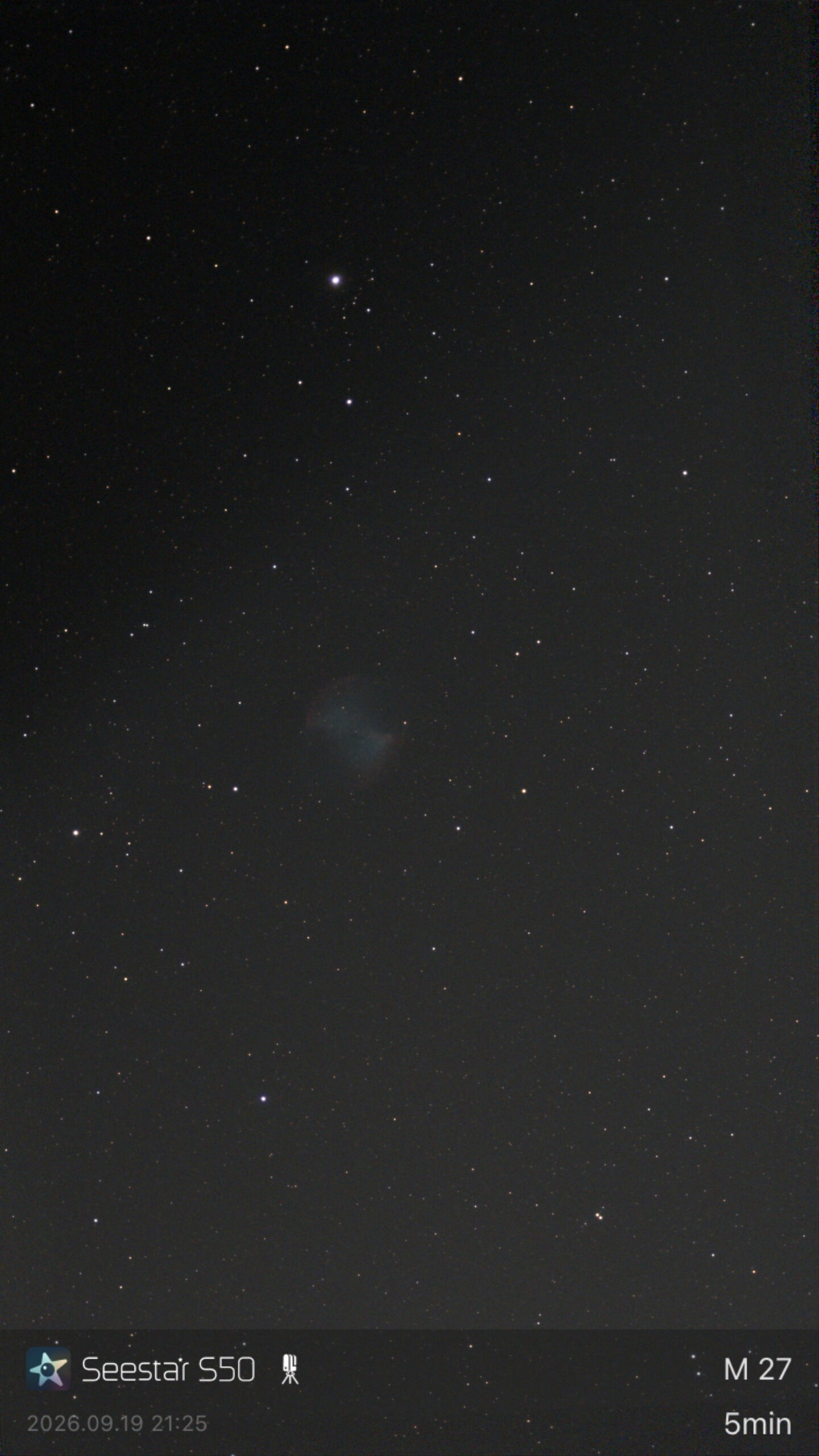
Light pollution isn’t just a big-city problem—it begins right on our own doorsteps. To demonstrate the impact of immediate, local light sources on backyard astronomy, we captured two comparative images using the SeeStar S50 smart telescope right here in Rockingham, North Carolina.
Despite minor differences in exposure time between the shots, the contrast is undeniable.
1. Dark Sky Condition (Porch Light OFF)
2. Light-Polluted Condition (Porch Light ON)
Why Outdoor Lighting Matters for Backyard Astronomy
Smart telescopes like the SeeStar S50 use advanced image stacking and light-pollution filtering to pull faint nebulae and galaxies out of suburban skies. However, local glare from unshielded fixtures creates light scatter directly in front of the lens. This glare raises the “noise floor” of your images, requiring significantly more exposure time to achieve the same clarity.
Benefits of Dark-Sky Friendly Outdoor Lighting
Protecting the night sky doesn’t mean living in total darkness—it simply means using light responsibly. Adopting simple dark-sky principles offers major benefits:
- Fully Shielded Fixtures: Pointing lights downward prevents light from straying sideways into neighbors’ yards or upward into the atmosphere (sky glow).
- Warm Color Temperatures: Using warm LED bulbs (2700K or lower) minimizes high-energy blue light, which scatters much more easily in the air and disrupts nocturnal wildlife.
- Timers & Motion Sensors: Keeping lights off when not in active use saves energy, reduces utility costs, and preserves dark viewing conditions for astrophotography.
By making small adjustments to how we illuminate our homes in Rockingham, we can improve home security while keeping our view of the cosmos clear for everyone.